Ratatouille and the Cuisine of Provence: A Taste of Southern France
Lisa Park • June 13, 2026
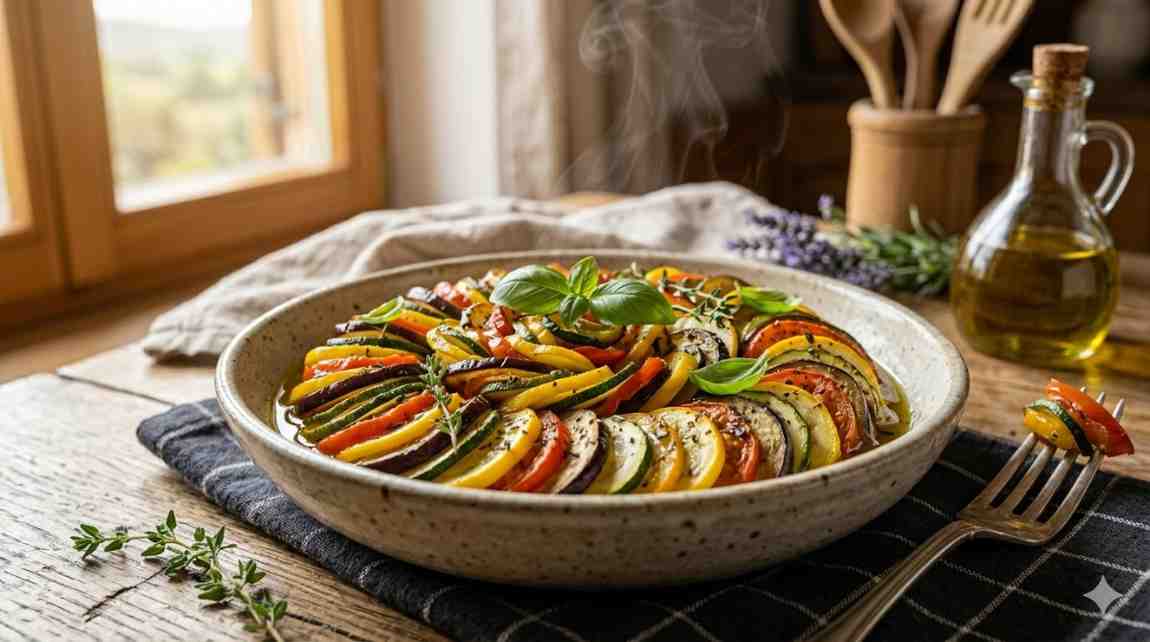
Few dishes capture the sun-soaked spirit of southern Europe quite like ratatouille. Vibrant, rustic, and deeply rooted in tradition, it is the culinary signature of Provence—a region in the south of France known for its lavender fields, olive groves, and Mediterranean warmth.
Ratatouille is more than a recipe. It is a philosophy of cooking: simple ingredients, treated with care, allowed to shine on their own.
At its most basic, ratatouille is a slow-cooked vegetable dish made from tomatoes, zucchini, eggplant, bell peppers, onion, garlic, olive oil, and herbs like thyme, basil, and herbes de Provence.
The vegetables are gently simmered or baked until they soften and blend together into a rich, aromatic stew. Despite its simplicity, it delivers layered flavor: sweet tomatoes, earthy eggplant, fresh herbs, and the fruity depth of olive oil.
Ratatouille comes from Provence in southeastern France, a region known for its Mediterranean climate and agricultural abundance. Provençal cooking is defined by olive oil instead of butter, fresh seasonal vegetables, generous garlic, and herbs grown in dry, rocky soil.
It reflects a slow, seasonal, and land-connected way of eating that defines Mediterranean cuisine.
Ratatouille originated as a peasant dish in Provence. Farmers used whatever vegetables were abundant in summer gardens, ensuring nothing went to waste. The name comes from the French word touiller, meaning “to stir” or “to toss.”
Early versions were simple vegetable stews cooked in large pots over open fires. Over time, it evolved into a refined dish while keeping its rustic identity intact.
What makes ratatouille special is balance rather than complexity. Each vegetable plays a role:
When cooked properly, the vegetables soften without turning to mush, creating a harmonious blend where no single ingredient dominates.
There are two widely recognized styles:
Both versions share the same philosophy: celebrating vegetables at their peak.
In Provence, olive oil forms the foundation of cooking. It softens vegetables, adds fruitiness, and carries the aroma of herbs.
Common herbs include thyme, rosemary, basil, and bay leaf. Together, they define the unmistakable scent of southern French cuisine.
Ratatouille is incredibly versatile. It can be served warm as a main dish, cold as a side, alongside grilled meat or fish, with crusty bread, or over rice, pasta, or couscous.
In Provence, it is most commonly enjoyed in summer when vegetables are at their peak. It also stores well, and many say it tastes even better the next day.
Ratatouille represents the essence of Provençal cooking: seasonal eating, no-waste traditions, rural French heritage, and Mediterranean diet principles.
Today, it stands as a global symbol of rustic French cuisine and the beauty of simple home cooking.
Ratatouille is more than a vegetable stew. It reflects Provence itself—sunlit, fragrant, and rooted in tradition.
Whether served rustic or elegantly layered, it always delivers the same experience: a taste of the Mediterranean sun, captured on a plate.